Slow leaks are one of the most overlooked threats to homes in Wilmington, Delaware. When people think of water damage, they usually picture dramatic events like a burst pipe or storm flooding. Those situations are serious, but many of the most damaging water problems actually start quietly. Slow leaks often develop behind walls, under floors, inside ceilings, or beneath sinks, leaking for weeks or even months before they’re noticed. By the time visible signs appear, the damage has already spread far beyond the surface.
Homes in Wilmington are especially vulnerable to slow leaks due to the region’s seasonal weather patterns. Frequent rain, fluctuating temperatures, and periods of high humidity allow moisture to linger once it enters a structure. When water becomes trapped inside walls or flooring, it does not dry out easily. This creates the perfect environment for continued damage, allowing leaks to worsen while remaining hidden from view.
A slow leak does not need to release large amounts of water to cause serious problems. Even a small crack in a pipe, a loose fitting, or a worn seal can slowly saturate surrounding materials. Drywall absorbs moisture and weakens over time. Insulation becomes damp and ineffective. Wood framing swells, warps, and loses strength. All of this can occur without obvious warning signs, making slow leaks especially dangerous.
Moisture trapped inside Wilmington homes often leads to mold growth. Mold needs only three things to thrive: moisture, warmth, and organic material. Once a slow leak creates a damp environment inside walls or floors, mold can begin spreading long before it becomes visible. Homeowners may notice a musty odor before seeing any physical signs, which is often the first indicator that moisture has been present for an extended period.
Structural damage is another major risk associated with slow leaks. Water weakens the materials that support your home. Subfloors may soften or sag. Wall framing can deteriorate. Ceilings may become unstable. What starts as a small leak can eventually lead to major repairs or even reconstruction if the issue is not addressed early.
Beyond structural concerns, slow leaks can affect indoor air quality. Mold spores spread through the air and can trigger respiratory issues, headaches, and irritation, especially for children, seniors, or anyone with allergies or asthma. Because mold often grows out of sight, homeowners may be exposed long before they realize there is a problem.
Slow leaks also create financial strain. The longer a leak goes undetected, the more expensive repairs become. A minor plumbing issue can turn into a project involving mold removal, material replacement, and extensive drying. Early leak detection can mean the difference between a small repair and a costly restoration process.
Recognizing early warning signs is critical. Common indicators include unexplained increases in water bills, discoloration on walls or ceilings, bubbling paint, soft flooring, or persistent musty smells. These signs may seem minor, but they often point to moisture problems hidden beneath the surface.
Professional leak detection plays a key role in stopping slow leaks early. Specialized tools such as moisture meters and thermal imaging allow technicians to locate leaks without unnecessary damage. These tools reveal moisture patterns inside walls and floors, helping identify both the source of the leak and the extent of the damage.
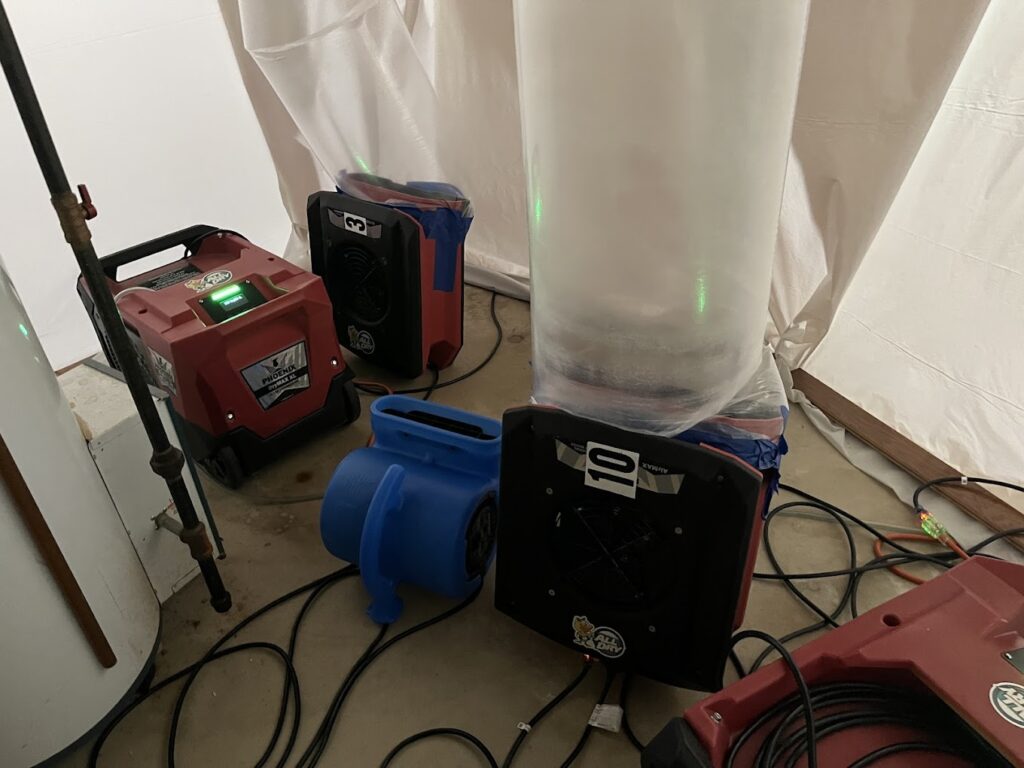
Once a slow leak is identified, proper drying is essential. Household fans and open windows are rarely enough. Professional drying equipment removes moisture from deep within building materials, preventing mold growth and further deterioration. This step is especially important in Wilmington homes where moisture can remain trapped for long periods.
Preventing slow leaks starts with awareness. Regularly checking plumbing fixtures, monitoring water usage, and paying attention after heavy rain can help catch problems early. Knowing how your home responds to weather changes can reveal moisture issues before they become serious.
Ignoring a slow leak can lead to long term damage that affects safety, comfort, and property value. Mold growth, weakened structures, and rising repair costs are all consequences of delayed action. Early detection and timely response are the most effective ways to protect your home.
Slow leaks may be quiet, but their impact is not. In Wilmington, where moisture can linger, these leaks can escalate quickly. Homeowners who understand the risks and act early can avoid major damage and keep their homes safe, stable, and healthy for years to come.
If there is any suspicion of a leak, professional inspection is the smartest next step. When it comes to water damage, time always matters, and slow leaks are no exception. Early leak detection protects your home and prevents small issues from turning into major repairs.