Mold is one of the most common and misunderstood problems homeowners face in Wilmington. Many people think mold only appears after major flooding or obvious water damage, but in reality, mold often begins growing quietly after small moisture issues go unnoticed. A slow leak, high humidity, or trapped moisture inside walls or floors can create the perfect conditions for mold to spread long before it becomes visible.
Homes in Wilmington are especially susceptible to mold growth due to the region’s weather patterns. Seasonal rain, humid summers, and temperature changes throughout the year allow moisture to linger inside structures. When moisture enters a home and does not dry properly, it creates an environment where mold can thrive. Once mold begins growing, it spreads quickly and becomes much harder to remove if not addressed early.
Mold does not need standing water to grow. It only requires moisture, warmth, and organic material. Common building materials such as drywall, wood, insulation, and carpet provide an ideal food source. When these materials remain damp for extended periods, mold spores in the air settle and begin multiplying. Because this process often happens behind walls or under flooring, homeowners may not realize mold is present until it has already spread.
One of the first signs of mold growth is a persistent musty odor. This smell often appears before visible mold does and usually indicates moisture trapped somewhere in the home. Other warning signs include discoloration on walls or ceilings, peeling paint, warped surfaces, or increased allergy symptoms among occupants. These signs should never be ignored, as they often point to hidden mold growth.
Moisture problems are the root cause of most mold issues. Plumbing leaks, roof leaks, poor ventilation, and condensation buildup all contribute to excess moisture inside a home. In Wilmington, humidity can make these problems worse by slowing natural drying. Even after a leak stops, moisture can remain trapped inside materials, allowing mold to continue growing.
Mold growth affects more than just the appearance of a home. It can impact indoor air quality and health. Mold spores become airborne and circulate through living spaces. Exposure can cause coughing, congestion, headaches, eye irritation, and breathing difficulties. Individuals with asthma, allergies, or weakened immune systems are especially vulnerable. Children and older adults may also be more sensitive to prolonged exposure.
Structural damage is another concern when mold is left untreated. Mold breaks down the materials it grows on, weakening drywall, wood framing, and flooring over time. This deterioration can compromise the integrity of walls and ceilings, leading to costly repairs. In severe cases, sections of a home may need to be removed and rebuilt to fully eliminate mold damage.
Financial consequences often increase the longer mold is ignored. Early mold growth may be limited to a small area and easier to remove. Once mold spreads, remediation becomes more complex and expensive. Materials may need to be removed, treated, or replaced. Proper containment and cleaning are necessary to prevent spores from spreading to unaffected areas.
Professional mold inspections are an important step in identifying hidden growth. Mold professionals use moisture detection tools to locate damp areas that may not be visible. These inspections help determine the source of the moisture and the extent of the mold problem. Simply cleaning visible mold without addressing moisture issues allows mold to return.
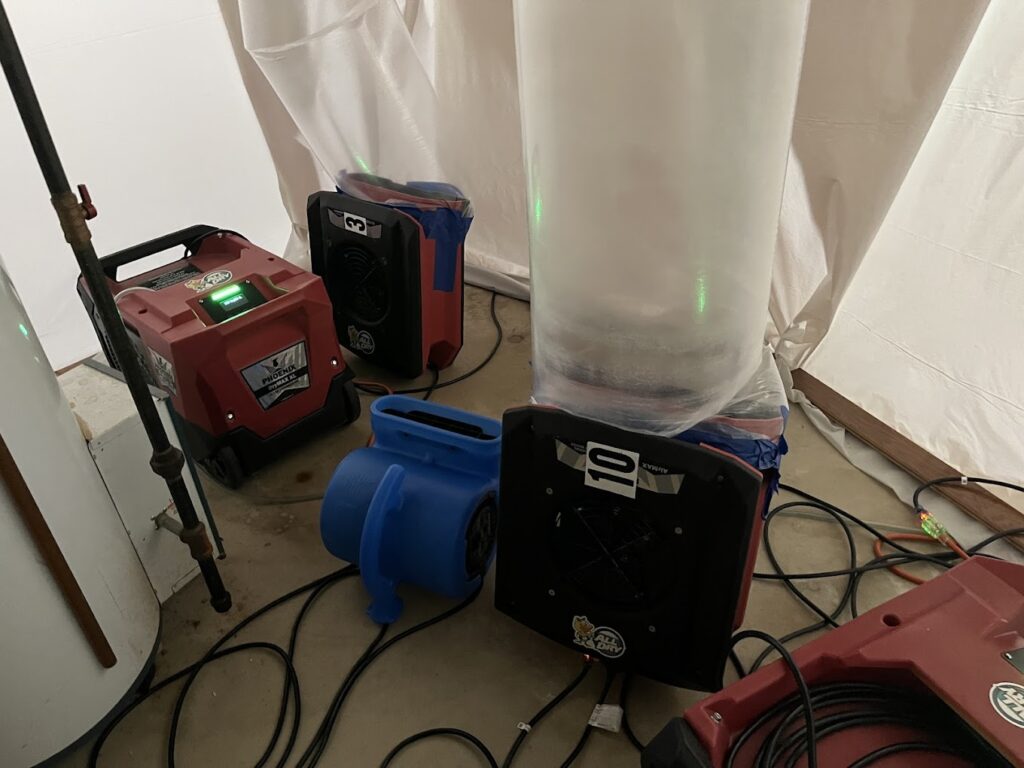
Once mold is identified, proper removal and cleaning are critical. Mold removal involves more than wiping surfaces. Affected materials must be carefully handled to prevent spreading spores. Containment measures are used to isolate the area, and specialized cleaning methods eliminate mold safely. Proper drying follows to ensure moisture is fully removed.
Drying is one of the most important steps in preventing mold from returning. Household fans or open windows are rarely sufficient. Professional drying equipment removes moisture from deep within materials, which is essential in Wilmington homes where humidity can slow evaporation. Without thorough drying, mold can reappear even after cleanup.
Preventing mold starts with controlling moisture. Homeowners should address leaks promptly, ensure proper ventilation in bathrooms and kitchens, and monitor areas prone to dampness. Dehumidifiers can help manage indoor humidity levels during humid seasons. Regular inspections after storms or plumbing issues can catch moisture problems early.
Understanding how your home responds to moisture can help prevent mold growth. Pay attention to areas that feel damp, take longer to dry, or develop recurring odors. Tracking changes in indoor air quality or comfort can also reveal hidden issues. Early action is the most effective way to protect a home from mold damage.
Ignoring mold can lead to long term problems that affect comfort, health, and property value. Mold does not go away on its own. It continues to grow as long as moisture is present. Addressing mold early limits damage and reduces the need for extensive repairs.
Mold growth may start quietly, but its impact can be significant. In Wilmington homes, moisture issues can quickly turn into widespread mold problems if left unchecked. Homeowners who understand the risks and respond quickly can protect their homes and maintain a healthier living environment.
If you suspect mold or notice signs of excess moisture, professional inspection and remediation are essential. Identifying the source, removing mold properly, and drying affected areas thoroughly can prevent future growth. Taking action early ensures your home remains safe, clean, and comfortable for years to come.